If you’re wondering whether Stellest lenses are the right choice for your child, you’re asking exactly the right question. Not every myopia treatment fits every child, and that’s okay. Understanding who thrives with Stellest will help you make the best decision for your family.
Age Requirements: When Stellest Works Best

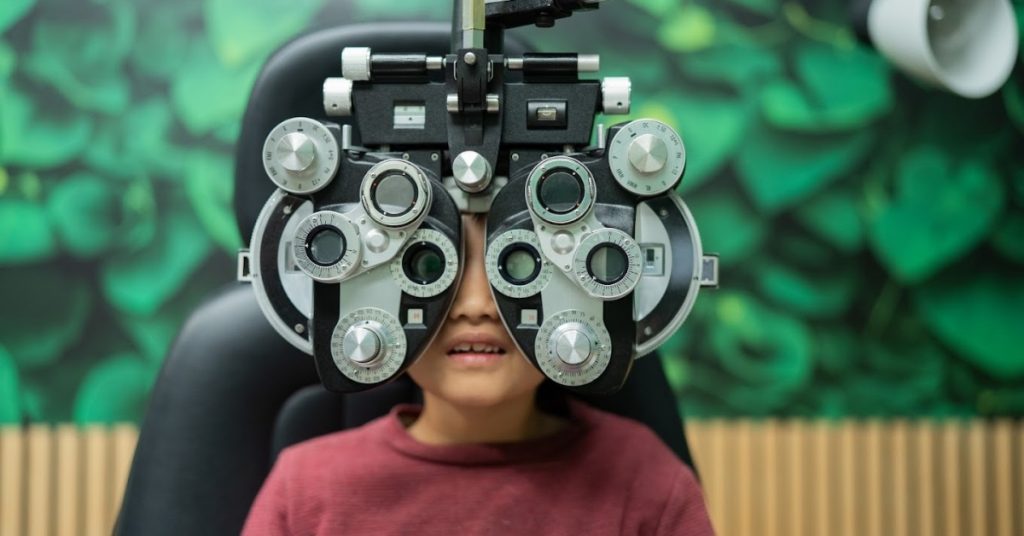
Stellest lenses work best for children between ages 6 and 16 years old. The FDA has authorized Stellest for ages 6-12, while Essilor recommends the lenses for children through age 16. Why does this age range matter? This is when myopia typically begins and progresses most rapidly. Think of it like this: if your house had a crack in the foundation, you’d want to fix it while it’s small, not wait until the whole structure is compromised. The same principle applies to childhood myopia.
Why ages 6-16 matter:
The earlier myopia management begins after onset, the more your child benefits over their growing years. A child starting treatment at age 7 has nine potential years of slowed progression before the mid-to-late teenage years, when myopia progression often begins to stabilize. Starting at age 11 means only five years of treatment benefit.
Prescription Range: Who Qualifies
From a prescription standpoint, Stellest is designed for children with myopia ranging from approximately -0.75D to -4.50D. In the FDA clinical trials, Stellest was tested on children with up to 1.50D of astigmatism. While the lenses can be manufactured for higher astigmatism levels, consult with your eye care provider to determine if Stellest is appropriate for your child’s specific prescription.
Understanding these numbers:
During your child’s comprehensive myopia evaluation, your doctor will confirm whether their prescription falls within this range. If it doesn’t, don’t worry. We offer other proven treatments like orthokeratology, MiSight contact lenses, and low-dose atropine that might be perfect for your child’s needs.
Children Who Already Love Their Glasses
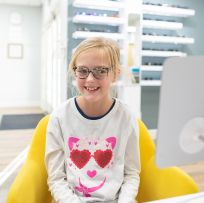
Some kids are simply glasses kids. They feel comfortable wearing them, they like how they look, or they’ve been wearing glasses for years already. If your child falls into this category, Stellest is often an excellent fit.
Signs your child is a natural glasses-wearer:
For example, imagine your 7-year-old daughter has been wearing glasses since kindergarten. She’s comfortable with her routine: puts them on in the morning, wears them all day, takes them off at bedtime. She’s not asking for contacts, and you’re not battling her to keep them on. This child is a natural Stellest candidate because the treatment fits seamlessly into her existing life.
Kids Not Ready for Contact Lenses
Handling contact lenses requires maturity, responsibility, and manual dexterity. Not every 8-year-old is ready for that, and that’s completely normal.
Contact lens responsibilities include:
Consider this scenario: your son is in third grade. He’s still learning to remember his homework, tie his shoes consistently, and wash his hands without being reminded. Asking him to insert, remove, and properly clean contact lenses every day might be setting everyone up for frustration. Stellest gives him access to proven myopia control without the hygiene responsibilities that come with contacts.
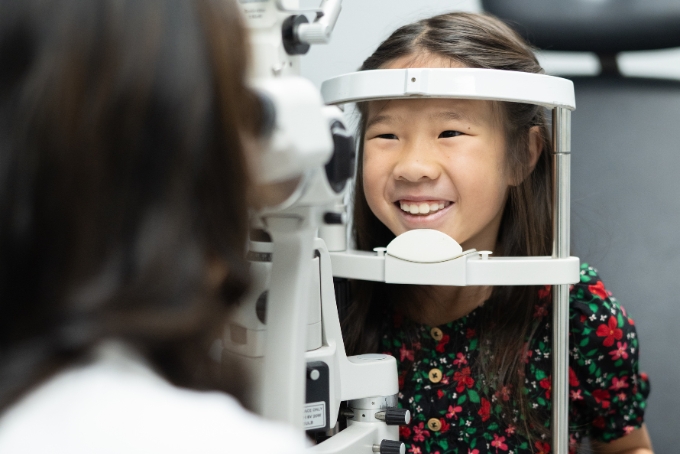
Characteristics of Successful Stellest Patients
Children who do well with Stellest typically share certain characteristics that make spectacle-based treatment practical and effective.
Your child might be a great Stellest candidate if they:
Families Seeking Treatment Simplicity
Life is busy. Between work, school, activities, homework, and everything else on your plate, adding a complicated medical routine can feel overwhelming. Stellest offers powerful myopia management without complexity.
What makes Stellest simple:
Picture your typical weekday morning. You’re getting three kids ready for school, packing lunches, finding lost shoes, and trying to get everyone out the door on time. With Stellest, myopia management is as simple as your child putting on their glasses, just like they already do. It’s treatment that works like regular life.
Children with Sensory Sensitivities
Some children find the sensation of contact lenses uncomfortable or distressing, regardless of their maturity level. This might be due to sensory processing differences, anxiety about touching their eyes, or simply personal preference.
Why Stellest works for sensory-sensitive children:
We work with many children on the autism spectrum or with sensory processing differences who thrive with Stellest. The glasses don’t require touching the eyes, inserting anything, or dealing with the sensations that contact lenses can create. For these children and their families, Stellest offers effective myopia control without sensory challenges.
Active Kids and Stellest
Parents often wonder whether active, athletic children can successfully wear Stellest lenses. The answer is yes, with some practical considerations.
Why Stellest works for sensory-sensitive children:
For contact sports, consider:

When Other Treatment Options Might Be Better
Being transparent helps you make informed decisions. While Stellest works wonderfully for many children, alternative treatments might be more appropriate in certain situations.
Poor Glasses Compliance
If your child constantly loses their glasses, leaves them at school, or fights wearing them, any spectacle-based treatment will struggle.
Signs that contacts or ortho-k might work better:
In these cases, orthokeratology (overnight lenses) or MiSight contact lenses worn during the day might work better because they’re harder to “forget.”
Heavy Contact Sport Involvement
Heavy Contact SChildren heavily involved in contact sports like football, hockey, boxing, or martial arts sometimes prefer orthokeratology because it provides daytime freedom from glasses and contacts entirely.port Involvement
Consider ortho-k if your child:
Imagine your daughter plays competitive soccer three days a week plus weekend tournaments. She’s constantly getting bumped, heading the ball, and diving for saves. Orthokeratology might give her the freedom and safety she needs during games while still providing excellent myopia control.
Special Eye Conditions
Children with certain eye conditions, very different prescriptions between the two eyes, or specific binocular vision findings may need customized treatment approaches.
Situations requiring alternative approaches:
This is why comprehensive evaluation matters so much. Your eye care provider will assess all aspects of your child’s vision and eye health to determine the most appropriate treatment approach.
Understanding Treatment Flexibility
One of the strengths of comprehensive myopia management is flexibility. Treatment choices aren’t permanent, and adjustments can be made as your child grows and circumstances change.
Treatment can evolve:
This flexibility means today’s decision doesn’t lock you into one path forever. We adapt treatment to your child’s changing needs.

Why Insight Vision Center for Your Child’s Myopia Management
When you choose Insight Vision Center for your child’s myopia care, you’re accessing internationally recognized leaders in pediatric myopia control. Families travel from across the globe to receive treatment here because our clinical team brings unparalleled expertise to every patient interaction.
Our credentials and distinctions:
Dr. Thanh Mai, OD, FSLS, FIAOMC serves on the Treehouse Eyes Leadership Team, bringing national-level myopia management expertise directly to your family. These aren’t honorary titles or marketing claims. They represent demonstrated mastery achieved through rigorous examination, extensive case documentation, and peer recognition of clinical excellence.
Our philosophy: Customization over hierarchy.
What truly sets us apart is that we offer all four proven myopia management modalities and position them as equal premium options. The best treatment isn’t determined by what’s most profitable for the practice. It’s determined by what’s best for your child’s unique needs, lifestyle, and circumstances.
What this means for your family:
Our Comprehensive Approach to Care
Our comprehensive approach recognizes that children change as they grow. A 6-year-old who needs Stellest today might transition to MiSight contact lenses at age 10 when they’re ready for more independence. A child experiencing rapid progression despite good compliance might benefit from adding atropine for combination therapy.
We provide:
We have the expertise and resources to support these transitions smoothly, ensuring your child receives optimal myopia management throughout their growing years.
The Highest Rated Eye Care Center In Orange County

What Our Patients are Saying
“Insight vision has great customer service staff n the best optometrist Ive ever seen
Dr Nathan Schramm spends as much time as needed n has the highest advanced technology. I highly recommend this practice for anyone with any vision problem.”
⭐⭐⭐⭐⭐
Nancy B.
“Everyone there was really nice. From the front desk to the doctor, they were all very nice and accommodating. Rachel was the one who taught me how to put contact lenses in my eyes and she was super patient with me. Definitely recommend this place.”
⭐⭐⭐⭐⭐
Tim S.
Take the Next Step: Schedule Your Child’s Complimentary Myopia Evaluation
Wondering whether Stellest is right for your child? The best way to find out is through a comprehensive evaluation. Insight Vision Center offers a no-charge myopia assessment, a complete evaluation valued at approximately $150 to $250.
Your complimentary evaluation includes:
What you won’t experience:
This evaluation provides everything you need to make an informed decision about myopia management for your family. Take time to discuss options together, review insurance coverage, and prepare for beginning treatment when you’re ready.

Contact Us Today
Call us today at (714) 942-1361 to schedule your child’s complimentary myopia evaluation, or speak with our Myopia Management Care Coordinator for a phone consultation if you have questions before scheduling.
Remember these important facts:
This is your window of opportunity to protect your child’s future eye health. The decisions you make now will influence their vision and quality of life for decades to come. Let’s protect your child’s vision together.